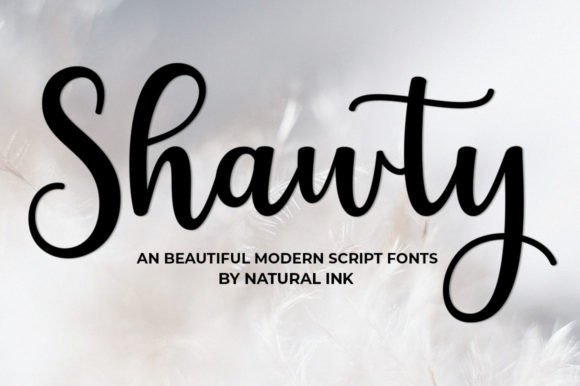
Shawty Script: A Modern Typeface for Elegant Digital Design
In the landscape of web design, typography isn't merely a vessel for words; it's a primary tool for establishing mood, guiding attention, and building trust. For digital creators seeking a font that blends casual charm with refined elegance, Shawty Script offers a compelling solution. This modern calligraphy design, with its characteristic swash and beautiful flow, provides a voice that is both approachable and sophisticated. As a web or UI designer, integrating a display font like Shawty Script into your projects requires a strategic eye focused on readability, hierarchy, and cohesive brand expression.
Character and Digital Appeal of Shawty Script
Shawty Script belongs to the Script Amp category, a collection known for its cursive and handwritten qualities. Its style is distinctly modern—not overly formal or vintage, but fresh and fluid. The casual yet beautiful strokes, enhanced by swash alternates, give it a personality that feels human and inviting. This makes it an excellent asset for digital environments where establishing a personal connection is key. Its visual appeal lies in its ability to look crafted, not generic, which instantly elevates the perceived quality of a website or app interface.
Strategic Applications in Web Layouts
The practical use of a display font hinges on understanding its role within visual hierarchy. Shawty Script is optimal for elements that need to capture immediate interest and convey a specific tone.
Hero Sections and Headers
Using Shawty Script for your main website headline or hero title creates an instant emotional anchor. For a creative portfolio, a boutique online store, or a coaching website, this font can set a welcoming, premium tone. Its elegance suggests care and attention, which builds brand trust from the first glance.
Call-to-Action Accents and Logos
While not suited for long body copy, Shawty Script excels in short, impactful phrases. Consider applying it to key call-to-action buttons, modal headlines, or featured product names on a landing page. Its distinctive style can make a “Start Your Journey” or “Shop the Collection” button feel more special and clickable. For logo text within a website header or as part of a digital brand kit, Shawty Script provides a memorable and cohesive mark.
Supporting Graphics and Branded Content
Digital ads, blog post feature graphics, course sales page module titles, and email header banners are all areas where Shawty Script can reinforce brand identity. It acts as a consistent visual thread across platforms, strengthening the online identity of a SaaS product, creative entrepreneur, or online store.
Readability and Technical Considerations for Screens
Applying any script font in a digital context demands attention to readability, especially across devices.
For optimal legibility, reserve Shawty Script for larger display sizes. In hero titles, aim for a font size that remains clear on mobile screens—typically a minimum that prevents the delicate cursive strokes from becoming thin and lost. When placing the font over images or on dark backgrounds, ensure strong contrast. A light script on a dark background often performs better than dark on light at smaller sizes, as the strokes remain visibly solid.
It is less ideal for small button text or lengthy paragraph content, where its decorative nature can hinder scanning behavior and reduce reading speed. Instead, use it to draw the eye, then guide users into simpler, highly readable body copy.
Creating Balance with Font Pairings
A successful web typography system relies on contrast. Shawty Script, as a decorative display font, needs a stable, neutral partner for body text and UI elements.
A clean, simple sans serif font is the most practical and modern pairing. This combination allows Shawty Script to shine emotionally in headlines, while the sans serif ensures effortless readability for articles, product descriptions, and interface labels. For a more editorial or classic digital identity, pairing with a straightforward serif font can also work well. The key is to let the script be the personality and the paired font be the functional backbone, creating a rhythm that feels both distinctive and usable.
Licensing and Implementation for Digital Projects
Before integrating Shawty Script into a live website or client project, verify its commercial licensing for web use. Many premium fonts include a webfont license, allowing you to serve the font files via CSS for use on websites, online stores, and landing pages. Check for included file formats like WOFF2, which are optimized for modern browsers, ensuring fast loading and consistent rendering.
Also, explore if the font offers stylistic alternates or swashes that can be accessed via CSS features. These can be used to add subtle variation to certain headlines, making the design feel even more custom-tailored for a brand-focused web experience. Consider its support for multilingual characters if your project targets a global audience.
Shawty Script in Action: A Cohesive Digital Example
Imagine a landing page for a high-end digital product, like a photography presets store. The hero section features the tagline “Capture the Moment” rendered in Shawty Script, large and centered over a minimalist background. The elegance of the script communicates quality and artistry. Directly below, the explanatory body copy and feature list are set in a clean sans serif, providing clear information. The call-to-action button for “Purchase Now” uses the sans serif for clarity, but the product package graphics on the page use Shawty Script for the product name titles. This consistent application creates a visual hierarchy where the decorative font attracts and emotes, and the functional font informs and converts.
Ultimately, Shawty Script is a design asset that brings a human touch to digital spaces. Its modern calligraphy style offers web designers and digital creators a tool to infuse warmth and personality into otherwise sterile interfaces. By applying it strategically—focusing on key visual anchors, ensuring robust readability, and pairing it with a functional counterpart—you can leverage its beauty to build more engaging, trustworthy, and conversion-focused online experiences.